

Follow Us On:




Posted On: December 04, 2025
A Beginner’s Guide to Getting Maryland Construction Permits for Commercial Projects
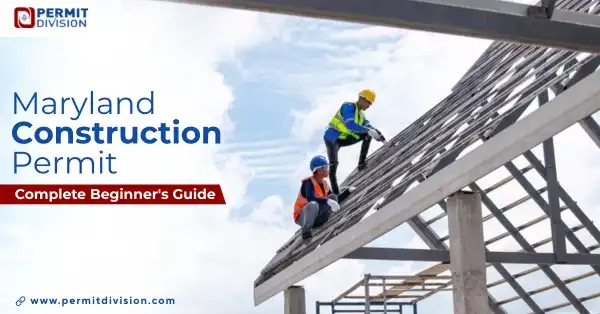
Starting a commercial construction project in Maryland can feel overwhelming, especially when it comes to navigating the permitting process. Whether you're developing a new office building, renovating a retail space, or expanding an existing facility, understanding how to obtain the proper permits is crucial for your project's success. This guide breaks down everything you need to know about Maryland construction permits to help you move forward with confidence.
Why Construction Permits Matter
Before breaking ground on any commercial project in Maryland, securing the appropriate permits isn't just a formality—it's a legal requirement that protects everyone involved. Permits ensure your project meets safety standards, complies with building codes, and adheres to zoning regulations. Skipping this step can result in costly fines, work stoppages, or even being forced to demolish completed work. More importantly, permits protect future occupants and neighboring properties by ensuring structures are safe and built to code.
Understanding Maryland's Permitting Framework
Maryland operates on a dual permitting system where both state and local jurisdictions play important roles. While state agencies like the Maryland Department of Labor set overarching standards, the actual permitting authority typically rests with local building departments in each county or municipality.
This means the specific requirements for Maryland construction permits can vary significantly depending on your project location. What's required in Baltimore City may differ from Montgomery County or Anne Arundel County. Understanding this jurisdictional structure early prevents confusion and delays down the road.
Types of Permits for Commercial Projects
Commercial construction typically requires multiple permits, each addressing different aspects of your project:
Building permits cover the primary construction work, including new structures, major renovations, and structural modifications. This is usually your main permit that triggers the need for additional specialized permits.
Trade permits include:
- Electrical systems and wiring
- Plumbing and gas lines
- Mechanical/HVAC installations
- Fire safety systems (sprinklers, alarms, emergency exits)
Zoning and land use permits verify your project complies with local zoning laws regarding property use, building height, setbacks, and parking requirements. Environmental permits may be necessary if your project impacts stormwater management, wetlands, or other environmental factors. Don't overlook smaller details like sign permits for exterior business signage, as these too require approval in most Maryland jurisdictions.
Pre-Application Essentials
Success with Maryland construction permits starts with thorough preparation. Before submitting applications, you'll need site plan approval showing your building's location, parking, landscaping, and utilities. Zoning compliance verification confirms your intended use is permitted on the property.
Environmental assessments, including Phase I studies and stormwater management plans, are often required for commercial projects. Your architectural and engineering drawings must be complete, stamped by licensed professionals, and include detailed specifications.
Essential Documentation Checklist:
- Property deeds and current surveys
- Contractor licenses and insurance certificates
- Professional architectural and engineering plans
- Zoning compliance verification
- Environmental assessment reports
- Homeowner association approvals (if applicable)
Creating a comprehensive documentation checklist before starting prevents delays and resubmissions later in the process.
The Application Process
Once your documentation is ready, you'll submit applications to your local building department. Many Maryland counties now offer online submission portals, though some still require in-person filing. Application fees vary widely based on project size and scope, typically calculated as a percentage of construction value or using a tiered fee structure.
During plan review, building officials examine your submissions for code compliance. This process can take anywhere from two weeks to several months depending on project complexity and jurisdiction workload. Review times are one area where working with a permit expediter can significantly reduce delays.
Navigating Timelines and Approvals
Understanding typical review periods helps set realistic project timelines. Simple renovations might clear review in two to three weeks, while complex new construction can take two to three months or longer.
Common reasons for delays include:
- Incomplete applications or missing documentation
- Code violations identified in submitted plans
- Insufficient detail in drawings or specifications
- Backlog at the permitting office
- Multiple revisions required
Many jurisdictions allow you to track application status online, but plan reviewers may also contact you directly with questions or required revisions. Addressing review comments promptly and accurately is crucial. Each resubmission resets the review clock, so getting corrections right the first time saves valuable time.
Inspections and Compliance
Permits aren't complete until inspections are passed. Commercial projects typically require multiple inspections at different construction stages, including foundation, framing, mechanical rough-in, electrical, plumbing, fire safety, and final inspection.
Inspectors verify work matches approved plans and meets current building codes. Failed inspections require corrections before work can proceed, potentially delaying your entire timeline. The final step is obtaining your Certificate of Occupancy, which legally allows the building to be occupied and used.
Common Challenges to Avoid
Many permit delays are preventable with proper attention to detail. Incomplete applications are the most common issue—missing signatures, outdated drawings, or insufficient documentation can halt your process immediately. Code compliance problems often arise when applicants aren't familiar with current Maryland building codes or local amendments.
Coordinating multiple permits requires careful sequencing. You can't schedule electrical inspections before building inspections pass the framing stage. Ensuring all contractors hold current Maryland licenses prevents complications during review and inspection phases.
County-Specific Variations
Maryland's major counties each have unique requirements worth noting. Baltimore City operates under different building codes than Baltimore County and has specific historic district requirements in many areas. Montgomery County has rigorous environmental and design review requirements, particularly for commercial projects exceeding certain square footage thresholds.
Prince George's County maintains its own permitting system with specific zoning overlay districts that affect commercial development. Anne Arundel County has unique coastal and critical area regulations for projects near the Chesapeake Bay. Before proceeding, research your specific county's building department website for local requirements, forms, and contact information.
When to Consider Professional Help
Many developers and contractors choose to work with permit expediting services to streamline the process. A qualified permit expediter brings specialized knowledge of local codes, established relationships with reviewing agencies, and experience managing complex multi-permit projects.
Consider professional help if you're:
- Working on a tight timeline with limited flexibility
- Managing multiple permits simultaneously
- Unfamiliar with local regulations and code requirements
- Dealing with a particularly complex or large-scale project
- Experiencing repeated delays or rejections
The cost of permit expediting services is often offset by reduced delays, fewer resubmissions, and the ability to focus on other critical aspects of your project.
Budgeting for Permits
Permit fees are just the beginning of your permitting costs. Budget for plan review fees, inspection fees, impact fees for utilities or traffic, professional services like architects and engineers, and potential resubmission costs. A typical commercial project might spend 1-3% of total construction costs on permitting and related professional services.
Frequently Asked Questions
What requires a building permit in Maryland?
In Maryland, building permits are required for new construction, structural modifications, additions, major renovations, demolitions, and changes to electrical, plumbing, or mechanical systems. Most commercial projects involving construction work beyond minor repairs will require permits.
What are the rules for a permit in Maryland?
Maryland permit rules require applications to be submitted with complete documentation, including approved plans stamped by licensed professionals, contractor licenses, and payment of applicable fees. All work must pass inspections at various stages, and construction must comply with state building codes and local ordinances before a Certificate of Occupancy is issued.
Do you need a contractor's license in Maryland?
Yes, contractors performing commercial construction work in Maryland must be licensed through the Maryland Home Improvement Commission (MHIC) or hold appropriate trade licenses for electrical, plumbing, or HVAC work. General contractors working on projects over $25,000 require specific licensing, and all contractors must carry proper insurance.
Conclusion
Navigating Maryland construction permits doesn't have to be overwhelming. With proper planning, complete documentation, and realistic timelines, you can successfully permit your commercial project. Starting early in your planning phase, maintaining organized records, and staying responsive to reviewer comments will keep your project moving forward.
For over 11 years, Permit Division has helped thousands of commercial developers navigate the Maryland permitting process. With extensive experience across Baltimore, Montgomery, Prince George's, and Anne Arundel counties, we handle everything from initial application through final Certificate of Occupancy. Our team of experts understands the nuances of each jurisdiction and maintains strong relationships with local building departments to expedite your approvals.
Contact Permit Division today to learn how our expert team can expedite your Maryland construction permits and keep your project on schedule. Let us handle the paperwork while you focus on building your vision.
Article Author

Arobit
Blog Admin
Tags
Latest Posts
-
ADU Permits in MD & VA: Rules, Restrictions, and Costs for 2026
-

Change of Use Permits 101: Office to Apartments, Warehouse to Gym
-
How Long Does a Restaurant Buildout Permit Actually Take in DC?
-

Loudoun County Home Additions: Permit Guide for Building Out
-

When Does a Home Project in Loudoun County Need a Permit?
Similar Posts
-
ADU Permits in MD & VA: Rules, Restrictions, and Costs for 2026
-
Change of Use Permits 101: Office to Apartments, Warehouse to Gym
-
How Long Does a Restaurant Buildout Permit Actually Take in DC?
-
Loudoun County Home Additions: Permit Guide for Building Out
-
When Does a Home Project in Loudoun County Need a Permit?
Copyright 2026 -
permit division. All Rights Reserved.Get Your Free Consultation

