

Follow Us On:




Posted On: November 14, 2025
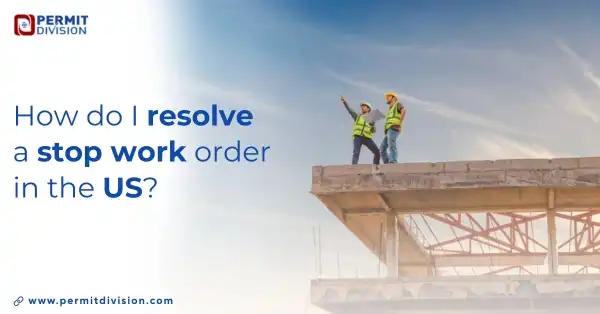
A Complete Guide to Resolving Stop Work Orders in the US
Your construction project is running smoothly, crews are productive, deadlines are achievable—then a stop work order arrives and everything stops. Instantly. The financial clock starts ticking immediately—idle workers, missed deadlines, frustrated clients, and penalties that can drain your budget in days. For contractors across the United States, this scenario represents one of the most stressful challenges in the construction industry.
Whether you're dealing with your first order or looking to prevent future disruptions, professional construction consulting services can provide the expertise needed to navigate these complex situations effectively. Permit expediting, in particular, can help resolve permit-related violations quickly and get your project back on schedule.
What Is a Stop Work Order in Construction?
A stop work order is a legally binding directive issued to contractors, requiring them to immediately cease all construction activities on a specific project or portion thereof. While these orders may initially be communicated verbally, they only become legally enforceable once confirmed in writing.
Stop work orders apply to virtually any project governed by a written contract, though they're most prevalent in the construction industry due to strict regulatory requirements and safety concerns. The moment you receive one, all project-related activities must stop immediately—no exceptions. Ignoring them carries serious consequences, including substantial fines, criminal charges, and potential license revocation.
What Are Common Reasons for a Stop Work Order?
Stop work orders don't appear randomly. They're issued when projects fail to meet specific regulatory, safety, or contractual requirements. Understanding these common triggers can help you identify and address issues before they escalate.
Building code violations represent the most frequent cause. When construction doesn't meet local or national building standards, authorities have the power to halt operations until compliance is achieved. Payment disputes between contractors, subcontractors, or property owners also commonly result in work stoppages.
Other prevalent reasons include:
- Workers' compensation noncompliance—operating without proper insurance coverage
- Unlicensed contractors—Using workers who lack required professional licenses
- Environmental law violations—improper handling of hazardous materials
- OSHA violations—Not adhering to safety requirements that protect worker safety
- Breach of contract—substantially deviating from agreed-upon project specifications
- Permit deficiencies—Beginning work without securing necessary building permits
Who Can Issue a Stop Work Order?
Multiple parties have the authority to issue stop work orders, depending on the nature of the violation and contractual relationships involved.
Government agencies and regulatory bodies represent the most common issuers. Local building departments can halt construction for code violations or permit issues. OSHA inspectors can stop work when they identify immediate safety hazards. Environmental protection agencies issue orders when projects violate environmental regulations.
Project owners and clients can also request work stoppages, typically when contractors make unauthorized changes to approved plans or when disputes arise over contract terms. Contractors themselves may issue orders to subcontractors who fail to meet quality standards or create safety hazards. Workers can request stoppages to resolve payment disputes, though this typically requires proper legal channels.
What's Included in a Stop Work Order?
Stop work orders follow a standardized format designed to provide clear instructions for resolution. The document specifies exactly which activities must be suspended—this could range from a specific task to complete cessation of all construction activities.
The order provides detailed correction instructions, outlining precisely what steps you must take to remedy the violations. Resolution procedures explain the process for lifting the order, including who must conduct reinspections and what documentation you need to provide.
Finally, the document details penalties for noncompliance. These consequences escalate quickly and may include daily accumulating fines, criminal prosecution, civil penalties, contract termination, and potential license suspension or revocation.
What Types of Stop Work Orders Exist?
Not all stop work orders force you to abandon the entire construction site. Authorities issue different types based on the severity and scope of violations.
A partial stop work order allows you to continue some activities while addressing specific issues. For instance, if safety violations exist in one building section, you might receive a partial order requiring you to halt work in that area while continuing construction elsewhere on the property.
A full stop work order halts all construction activities across the entire project. These comprehensive orders typically address serious violations affecting the whole operation, such as fundamental permit deficiencies, major structural concerns, or environmental issues that impact the full construction site.
What Should You Do When You Receive One?
Receiving a stop work order demands immediate, methodical action. Follow this step-by-step approach:
Stop work immediately. Continuing even briefly after receiving the order magnifies penalties and complicates resolution. Notify all workers, subcontractors, and suppliers that operations have ceased.
Contact the issuing authority to clarify any confusing aspects of the order. Understanding exactly what's required prevents wasted effort on incorrect corrections. Request a meeting or site visit to discuss specific violation details.
Review the violations carefully with your project team. Assess whether the citations are accurate and justified. Document the current state of your project with photographs and detailed notes.
Consult your lawyer if you believe the order was issued unfairly. Legal counsel can advise on appeal options and protect your rights. This is also when construction consulting services become invaluable, as experienced consultants understand regulatory language and can help interpret complex compliance requirements.
Determine correction costs and timeline by assessing the scope of work needed for compliance. Create detailed estimates for materials, labor, and any required permits or professional services.
Create a comprehensive work plan addressing each cited violation. This plan should include specific corrective actions, responsible parties, completion timelines, and quality assurance measures.
Request re-inspection once corrections are complete. Submit all required documentation, including photographs, updated permits, and professional certifications where applicable.
Pay all applicable fines promptly. Outstanding penalties prevent order lifting regardless of how thoroughly you've corrected violations.
Resume your project only after receiving written clearance from the issuing authority.
What Happens If You Ignore a Stop Work Order?
Ignoring a stop work order triggers escalating consequences that can destroy your business. Financial penalties accumulate from day one of noncompliance, with many jurisdictions charging hundreds or thousands of dollars daily. These fines compound quickly, potentially reaching six figures within weeks.
Criminal charges represent another serious risk. Willful noncompliance can result in misdemeanor or felony charges depending on jurisdiction and violation severity. Contractors may face jail time, particularly when violations involve worker safety or environmental damage. Legal battles consume time and resources that could be invested in your business.
What is an example of a stop work order?
Real-world stop work orders reflect diverse situations. Zoning regulation violations frequently result in orders—for example, a contractor building a commercial structure in a residentially zoned area without proper variances will receive an immediate work stoppage.
Unsafe work conditions represent another common trigger. Imagine a tunneling project where extremely loose soil creates collapse risks, or scaffolding erected without proper fall protection. Inspectors won't hesitate to issue orders when worker lives are at stake.
Extreme modifications that deviate substantially from approved plans also result in stoppages. When contractors make significant structural changes without obtaining amended permits or engineering approval, authorities step in to halt construction.
How Do You Resume Work?
Lifting a stop work order and resuming construction requires completing specific steps and obtaining proper clearance. Work can only restart when the order is officially canceled, expires according to its terms, or authorities provide written notice approving work continuation.
To expedite order lifting, handle all corrections immediately and thoroughly. Half-measures or rushed work will fail re-inspection, extending your downtime and increasing costs. Request re-inspection from the issuing authority once corrections are complete. Prepare for scrutiny—inspectors will examine your work carefully, often looking beyond the specific violations to ensure overall project compliance.
Pay all applicable fines before expecting order clearance. Many jurisdictions won't even schedule reinspections until financial penalties are resolved. Keep detailed records of all payments for your project files.
Preventing Stop Work Orders From Disrupting Your Construction
The best resolution strategy is prevention. Proactive compliance practices keep your projects moving and protect your bottom line.
Comply rigorously with all building codes and regulations in your jurisdiction. Building codes change regularly, so maintain current knowledge through continuing education and professional development. Follow all environmental regulations, particularly when working near wetlands, handling hazardous materials, or demolishing older structures.
Maintain positive relationships with all project stakeholders, including building inspectors, subcontractors, suppliers, and clients. Open communication channels often surface potential issues before they become official violations. Regular coordination meetings keep everyone aligned on expectations and compliance requirements.
Document everything meticulously. Maintain organized files of all permits, inspection reports, approved plans, change orders, and correspondence with authorities. This documentation protects you legally and demonstrates your commitment to compliance.
Consider partnering with experienced construction consulting services from your project's inception. These professionals bring expertise in permit acquisition, code compliance, and regulatory navigation that can prevent violations before they occur.
Conclusion
Resolving a stop work order in the United States requires immediate action, thorough compliance work, and careful navigation of regulatory requirements. The key to success lies in taking every order seriously, stopping work immediately, and making comprehensive corrections before resuming construction.
Prevention remains your most powerful tool. Implement robust compliance practices, maintain current knowledge of applicable codes, and foster collaborative relationships with regulators. When situations become complex, professional construction consulting services can provide the expertise needed to navigate these challenges.
At Permit Division, we've helped contractors and developers navigate complex permitting processes since 2014. Our permit expediting services streamline approvals, reduce rejections, and keep your projects on schedule. Ready to protect your projects from costly work stoppages? Contact the Permit Division today to keep your construction projects compliant and on track.
Article Author

Arobit
Blog Admin
Tags
Latest Posts
-
ADU Permits in MD & VA: Rules, Restrictions, and Costs for 2026
-

Change of Use Permits 101: Office to Apartments, Warehouse to Gym
-
How Long Does a Restaurant Buildout Permit Actually Take in DC?
-

Loudoun County Home Additions: Permit Guide for Building Out
-

When Does a Home Project in Loudoun County Need a Permit?
Similar Posts
-
ADU Permits in MD & VA: Rules, Restrictions, and Costs for 2026
-
Change of Use Permits 101: Office to Apartments, Warehouse to Gym
-
How Long Does a Restaurant Buildout Permit Actually Take in DC?
-
Loudoun County Home Additions: Permit Guide for Building Out
-
When Does a Home Project in Loudoun County Need a Permit?
Copyright 2026 -
permit division. All Rights Reserved.Get Your Free Consultation

